How to Get a Florida Concealed Weapon License
Florida no longer requires a license to carry a concealed handgun, but the Concealed Weapon License is still one of the most issued carry licenses in the country. It lets you carry in states that honor Florida's license, lets you skip the three-day waiting period when you buy a gun, and serves as proof that you passed a background check. The license is issued by the Florida Department of Agriculture and Consumer Services (FDACS), Division of Licensing. This guide covers the process as of September 2026.
Who is eligible
To get a license you must be a U.S. citizen or a lawful permanent resident, show proof of firearms competency, and not be disqualified under Section 790.06. Disqualifiers include felony convictions without restored rights, certain violent misdemeanors within three years, domestic violence injunctions or convictions, some drug and alcohol histories, mental health commitments and federal firearm prohibitions.
Age. The statute set the minimum age at 21. On June 17, 2026, the Fourth District Court of Appeal ruled in Eubanks v. Florida that the ban on 18- to 20-year-olds was facially unconstitutional, and the Attorney General's office said it would not seek further review. FDACS now issues licenses to applicants who are 18 or older and meet all other requirements.
Proof of training
You must show you are competent with a firearm. FDACS accepts several kinds of proof, including:
- A hunter education or hunter safety course approved by the FWC or a similar agency of another state
- A firearms safety or training course taught by an NRA-certified or state-certified instructor
- A course offered for security guards, investigators or law enforcement
- Proof of military service or experience with firearms through competition
Keep a copy of the certificate. FDACS asks for a copy of the training document with the application.
Fees
According to the FDACS fee schedule, a new license for a Florida resident costs $97: a $55 license fee plus a $42 fingerprint processing fee. Renewal is $45, and a $15 late fee applies if you renew after expiration within the grace period. Tax collector offices that take applications may charge a small service fee on top. Licenses are valid for seven years.
Where to apply
You have several choices:
- FDACS regional offices. The Division of Licensing has regional offices around the state that take applications and fingerprints, usually by appointment.
- County tax collector offices. Many Florida tax collectors are authorized to take concealed weapon license applications, photos and fingerprints. Check your county tax collector's website for locations and appointment rules.
- Online or by mail. FDACS offers online and mail options. If you do not apply in person, you will need electronic fingerprints from an approved vendor.
Step by step
- 1. Take a qualifying class and keep the certificate.
- 2. Gather documents: ID, training certificate and any court records if you have past arrests.
- 3. Apply at a regional office, a participating tax collector, online or by mail.
- 4. Get fingerprinted and photographed.
- 5. Pay the fees.
- 6. Wait for a decision. By law, FDACS has 90 days after it receives a complete application to issue or deny the license. You can check the status online.
Why get a license when carry is permitless
- Carry in other states. Florida's permitless carry only works in Florida. A number of states honor the Florida license; FDACS keeps a current reciprocity list.
- Skip the wait. Show your license at the dealer and the three-day waiting period does not apply. That helps when a gun you ordered from our shop arrives at your FFL.
- School zones. The federal Gun-Free School Zones Act exempts people licensed by the state where the school zone is located.
- Clear record. The license shows you passed a background check and completed training.
See our permitless carry guide for what you can do without a license.
Where the license does not let you carry
A license does not open up prohibited places. Courthouses, jails, police stations, polling places, government meetings, schools, the bar area of places licensed to serve alcohol, airport terminals past screening and other places listed in Section 790.06(12) remain off limits. Federal buildings and post offices are also prohibited. Our Florida gun laws overview has the full picture.
Renewing
You can renew online, by mail, at a regional office or through a participating tax collector. FDACS sends a reminder before your license expires. You can renew before your license expires, and there is a short grace period after expiration that carries a late fee. If your license lapses beyond the grace period you will need to apply as new, with fingerprints and full fees.
Changes you must report
You must tell FDACS within 30 days if you change your permanent address or your name. If your license is lost or destroyed, you must notify the division and can request a replacement for a fee. Being arrested or charged with a disqualifying crime can lead to suspension.
Non-residents
Non-residents can also apply for a Florida license. Fees are higher for non-residents. Many travelers who visit Florida no longer need one because Florida honors licenses from states that honor Florida's, and eligible non-residents may also qualify for permitless carry while here. Check FDACS guidance for current rules.
After you get it
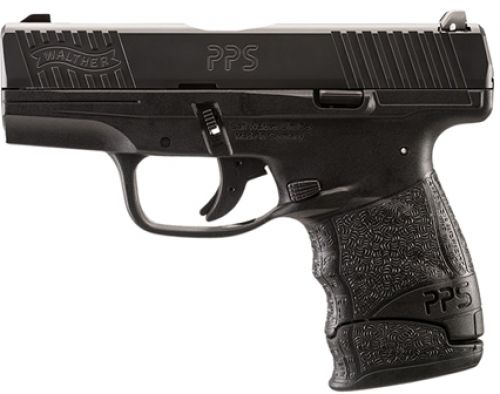
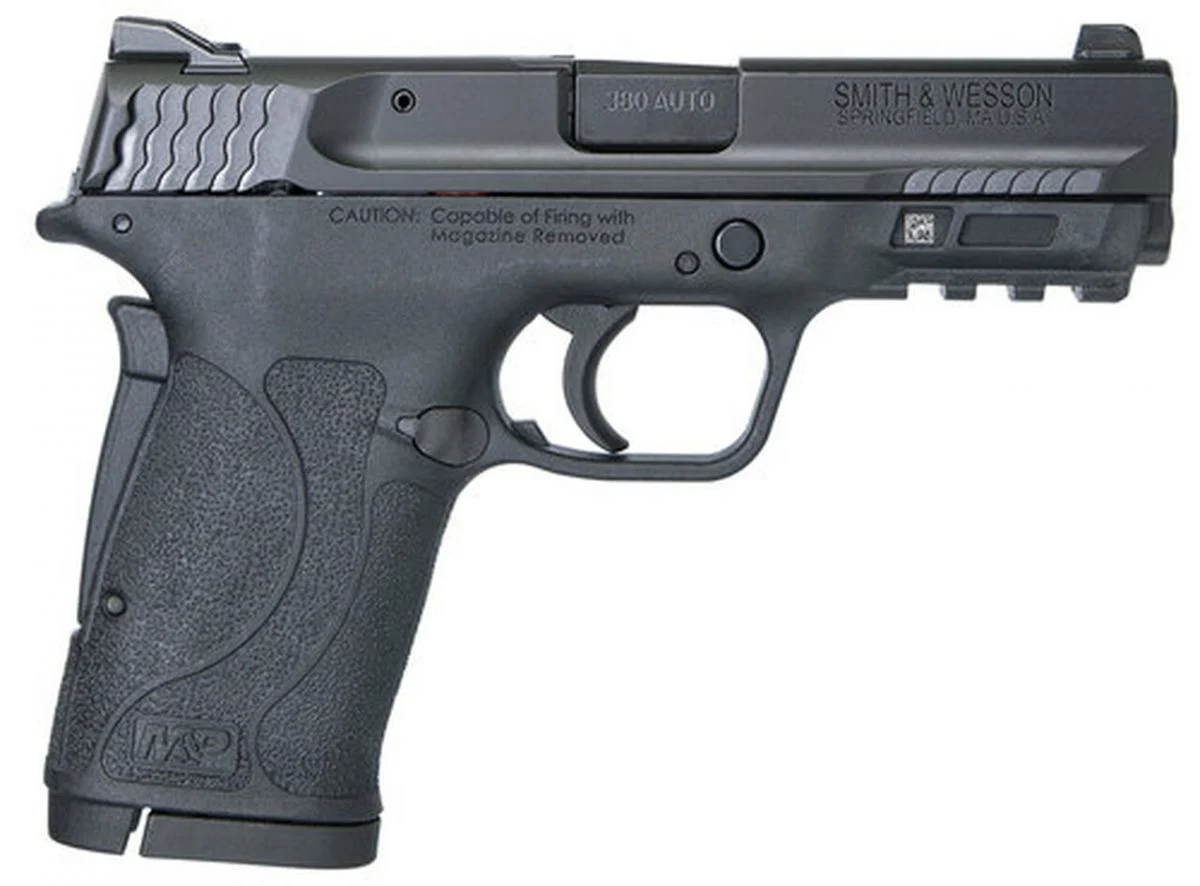
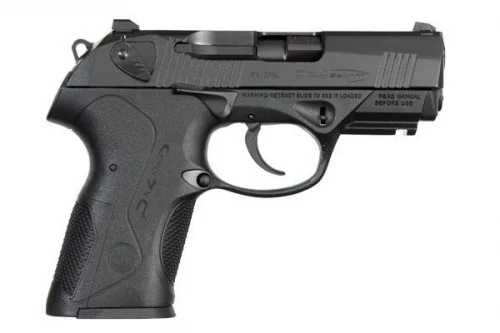
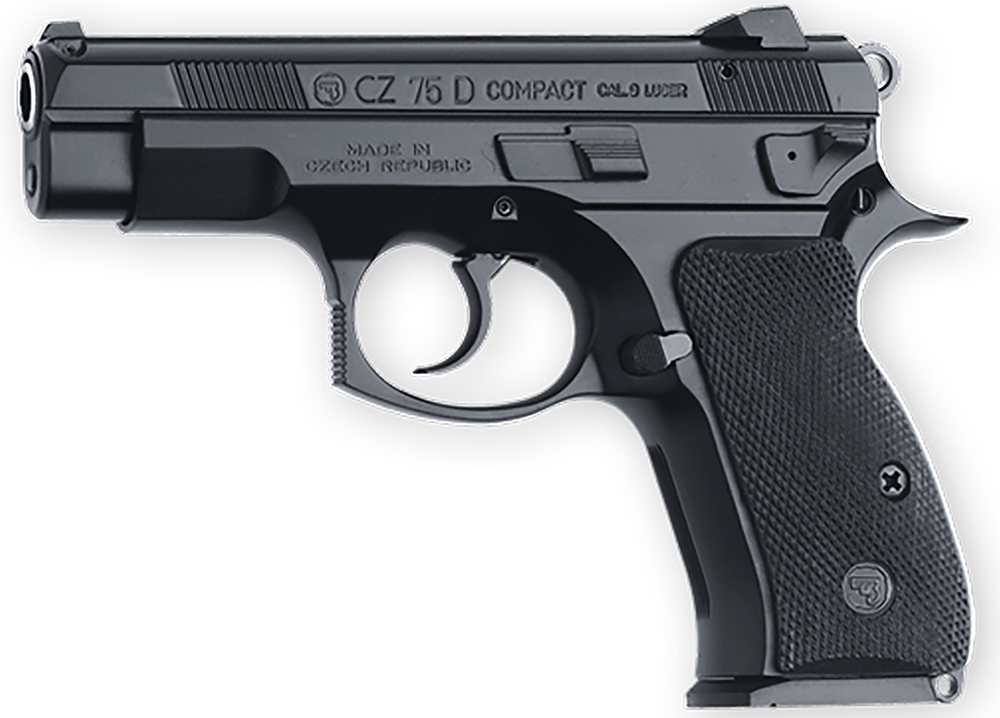
A license is a start. Pick a reliable pistol, a good holster and a belt designed to carry the weight. Train at a public range. The FWC runs or partners on ranges from Tenoroc in Polk County to Triple N Ranch in Osceola County and the Palm Beach County Shooting Sports Complex. Our city pages list the closest public ranges for each area.
Fees and procedures in this guide were checked against FDACS pages in September 2026. Confirm them with FDACS before you apply.
General information, not legal advice. Current as of September 2026. Laws change; check the official source before you act.